If your home is not connected to a municipal sewer system, your septic system is responsible for managing all of your wastewater. While many homeowners rely on septic systems every day, few fully understand how they work - until a problem arises.
Knowing how your septic system functions, how to maintain it, and what warning signs to watch for can help you avoid expensive repairs and protect your property.
In this guide, we’ll break down everything homeowners need to know about septic systems.
What Is a Septic System?
A septic system is an underground wastewater treatment system designed for homes that are not connected to a public sewer line. It safely treats and disperses wastewater from:
- Toilets
- Sinks
- Showers
- Washing machines
- Dishwashers
A properly functioning septic system protects groundwater, prevents contamination, and ensures safe wastewater disposal.
How a Septic System Works
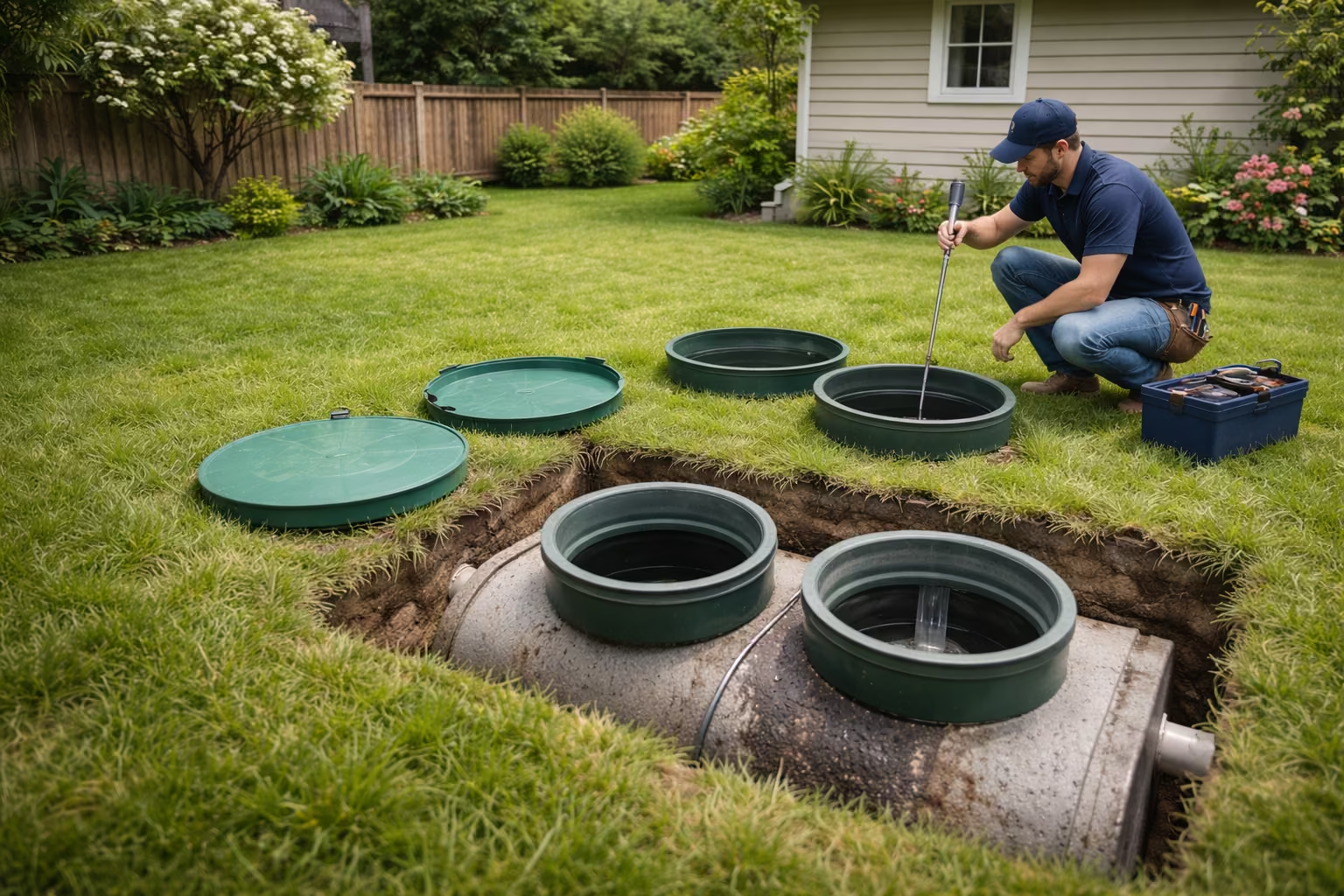
A typical septic system has three main components:
1. The Septic Tank
All wastewater flows into the tank. Inside the tank:
- Solids settle to the bottom (sludge)
- Oils and grease float to the top (scum)
- Liquid wastewater (effluent) remains in the middle
Bacteria inside the tank help break down organic waste.
2. The Drain Field (Leach Field)
The partially treated liquid flows from the tank into the drain field. Here:
- Wastewater is slowly filtered through soil
- Harmful bacteria and contaminants are naturally treated
- Clean water re-enters the groundwater system
3. The Soil
The soil acts as a natural filtration system. Proper soil conditions are critical for effective wastewater treatment.
When all parts work together, the system safely handles wastewater without odor or visible issues.
Why Septic Maintenance Is So Important
Septic systems require routine maintenance to function properly. Without it, sludge builds up inside the tank and can clog the drain field.
Routine maintenance helps:
- Prevent sewage backups
- Avoid drain field failure
- Reduce foul odors
- Extend system lifespan
- Protect property value
Neglected septic systems can result in costly repairs and environmental hazards.
How Often Should a Septic Tank Be Pumped?
Most residential septic tanks should be pumped every 3 to 5 years, depending on:
- Household size
- Water usage
- Tank size
- Garbage disposal use
Homes with higher water usage may require more frequent service.
Annual inspections are recommended to monitor system performance.
Common Signs of Septic Problems
Recognizing early warning signs can prevent serious damage.
Warning Signs Include:
- Slow drains throughout the house
- Gurgling sounds in plumbing
- Foul odors inside or outside
- Standing water near the drain field
- Lush, overly green grass above the drain field
- Sewage backing up into sinks or tubs
If you notice any of these symptoms, professional service is recommended immediately.
What Causes Septic System Failure?
Several factors can lead to septic system problems:
1. Lack of Pumping
Excess sludge can clog pipes and overwhelm the drain field.
2. Excessive Water Use
Too much water entering the system can flood the tank and drain field.
3. Flushing Improper Items
Never flush:
- Wipes (even “flushable” wipes)
- Feminine hygiene products
- Grease
- Chemicals
- Cat litter
These materials do not break down properly and can cause blockages.
4. Tree Roots
Roots can infiltrate pipes and damage the drain field.
5. Heavy Equipment Over the Drain Field
Parking vehicles over the drain field can compact soil and damage underground components.
How to Extend the Life of Your Septic System
Homeowners can take simple steps to protect their system:
- Schedule regular pumping
- Use water efficiently
- Fix plumbing leaks promptly
- Avoid harsh chemicals
- Keep heavy vehicles off the drain field
- Install high-efficiency fixtures
A properly maintained septic system can last 20–40 years or more.
Septic Inspections for Real Estate Transactions
If you’re buying or selling a home with a septic system, inspection is essential.
Professional inspections check:
- Tank condition
- Sludge levels
- Drain field performance
- Signs of leaks or system stress
This ensures the system meets local regulations and avoids surprises after closing.
Septic Systems in Shasta County
Many properties in Shasta County rely on septic systems. Local soil conditions, property size, and environmental regulations all influence system design and maintenance requirements.
Working with experienced professionals ensures your system remains compliant and operates safely year-round.
When to Repair vs. Replace a Septic System
You may need repair if:
- A component fails
- Pipes become blocked
- Minor drain field issues develop
Replacement may be necessary if:
- The drain field has failed
- The tank is cracked
- The system is undersized
- Repeated backups occur
A professional evaluation determines the best long-term solution.
Final Thoughts
Your septic system plays a vital role in your home’s sanitation and safety. While it operates quietly underground, neglecting it can lead to serious problems.
Understanding how your septic system works — and maintaining it properly — helps protect your home, your health, and your investment.
If you haven’t had your septic system inspected or pumped recently, scheduling preventative service can save you thousands in future repairs.