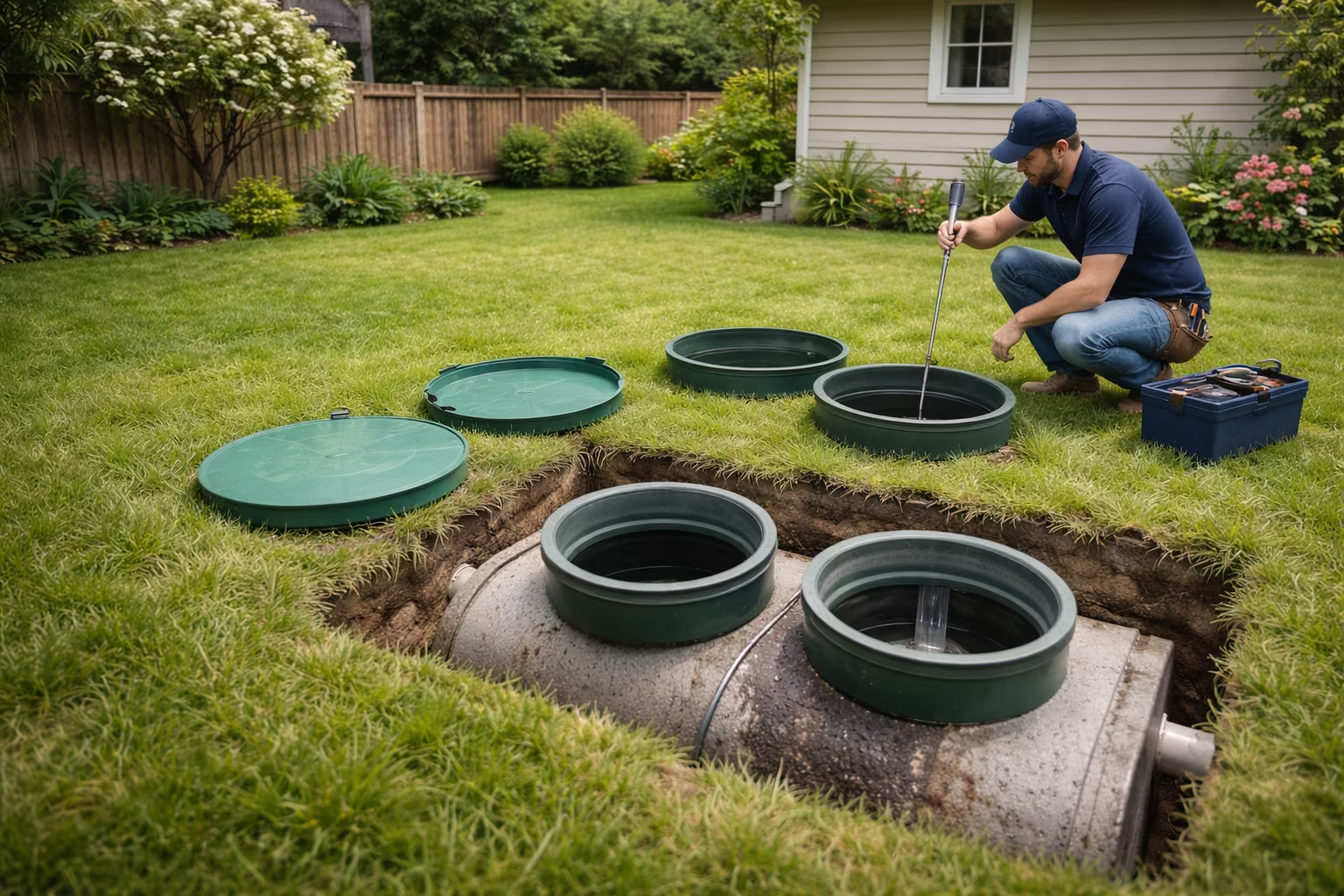
If your home relies on a well, your well pump is the heart of your water system. It works every day to deliver clean, consistent water to your faucets, showers, appliances, and irrigation systems. But like any mechanical equipment, a well pump requires regular maintenance to stay reliable.
Neglecting maintenance can lead to low water pressure, pump failure, high energy bills, and even complete water loss. In this guide, we’ll explain why well pump maintenance matters, common warning signs, and how to keep your system running efficiently for years.
Why Well Pump Maintenance Is So Important
Your well pump system includes several components working together:
- The pump (submersible or jet)
- Pressure tank
- Pressure switch
- Check valves
- Electrical connections
- Piping and fittings
If any one of these fails, your entire water supply can be disrupted.
Routine well pump maintenance helps:
- Maintain consistent water pressure
- Prevent unexpected breakdowns
- Reduce energy costs
- Extend pump lifespan
- Protect water quality
A properly maintained pump can last 8–15 years or more. Poorly maintained systems often fail much sooner.
Common Signs Your Well Pump Needs Service
Catching issues early can prevent major damage. Watch for these warning signs:
1. Low Water Pressure
If your faucets suddenly lose pressure, your pump may be struggling due to worn components, sediment buildup, or a failing pressure switch.
2. Pump Cycling On and Off Frequently
Rapid cycling (short cycling) can indicate a failing pressure tank or pressure switch.
3. High Electric Bills
A pump that runs constantly due to leaks or pressure issues will drive up energy costs.
4. Air Spitting From Faucets
Air in the lines may signal a drop in water level or a leak in the suction line.
5. Dirty or Cloudy Water
Sediment in water can damage pump components and reduce system efficiency.
If you notice any of these signs, scheduling professional inspection is essential.
What Professional Well Pump Maintenance Includes
Routine well pump maintenance involves more than just checking pressure. A comprehensive service typically includes:
✔ Pressure Tank Inspection
We check air charge levels and ensure the bladder is functioning properly.
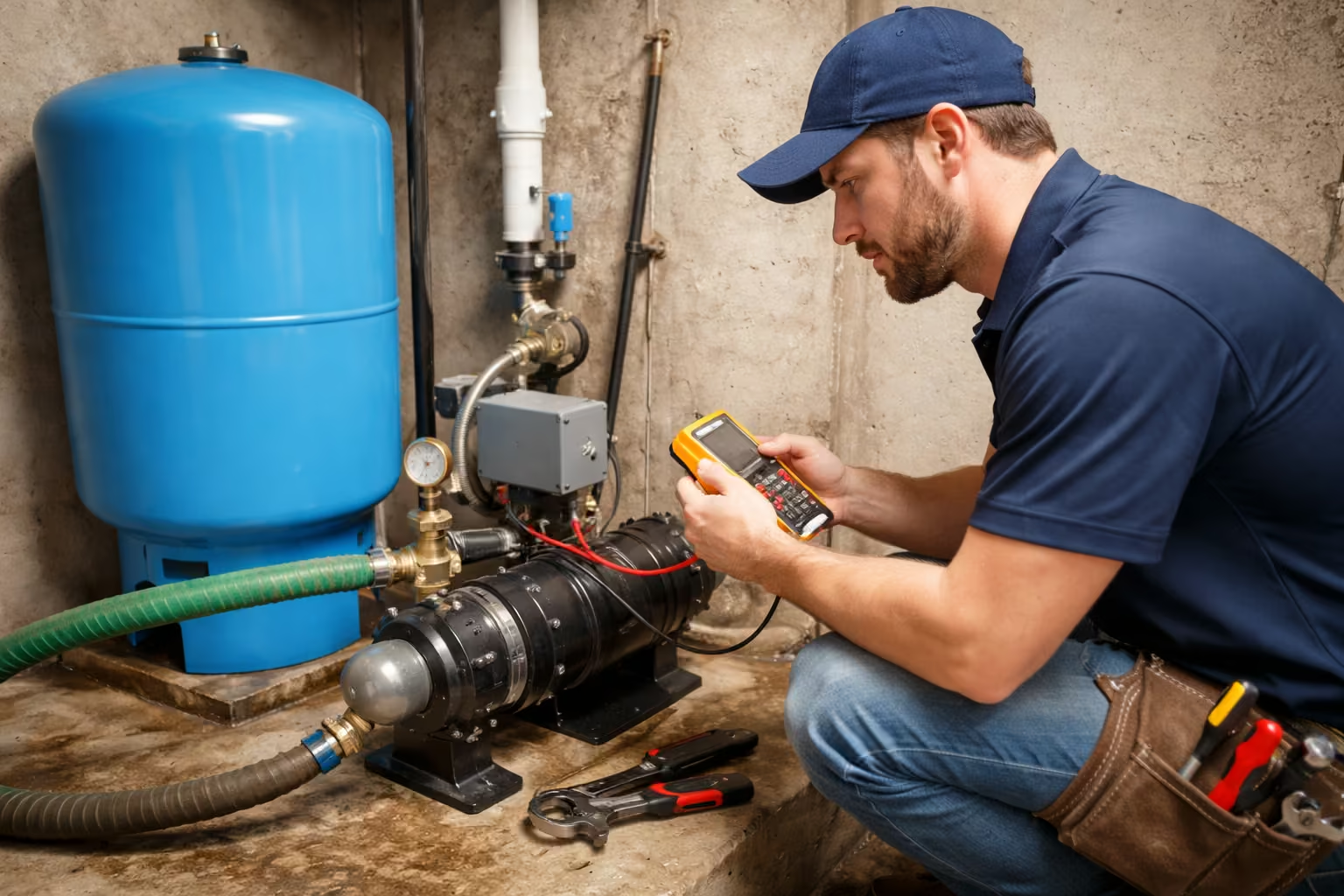
✔ Electrical System Testing
Voltage, wiring, and connections are inspected for safety and performance.
✔ Pressure Switch Calibration
We verify proper cut-in and cut-out pressure settings.
✔ Flow & Pressure Testing
We measure output to confirm consistent water delivery.
✔ Visual Inspection of Components
Pipes, fittings, and valves are checked for corrosion or leaks.
✔ Sediment & Water Quality Evaluation
Sediment buildup can damage impellers and reduce efficiency.
Preventative service helps avoid expensive emergency repairs.
How Often Should You Service a Well Pump?
For most residential systems in Shasta County:
- Annual inspection is recommended
- Every 2–3 years for full performance testing
- Immediate service if you notice pressure changes or water quality issues
Homes with high water usage or older systems may require more frequent checks.
How to Extend the Life of Your Well Pump
While professional service is essential, homeowners can also take steps to protect their system:
- Avoid running multiple high-demand fixtures at once
- Fix plumbing leaks promptly
- Install a water pressure regulator if pressure fluctuates
- Consider sediment filtration if water contains sand
- Schedule routine inspections
Small preventative actions make a big difference.
Submersible vs. Jet Pumps: Maintenance Differences
Submersible Pumps
Installed deep inside the well, these pumps are efficient and quiet but require professional removal for internal inspection.
Jet Pumps
Installed above ground, these are easier to access but may require more frequent monitoring for suction leaks.
Both systems benefit from annual professional evaluation.
When to Repair vs. Replace a Well Pump
You may need replacement instead of repair if:
- The pump is over 10–15 years old
- Repairs are becoming frequent
- The motor is failing
- Efficiency has significantly decreased
Modern pumps are more energy-efficient and can reduce long-term operating costs.
Emergency Well Pump Issues
Call for immediate service if:
- You lose water completely
- Breakers trip repeatedly
- You smell burning from electrical components
- Water pressure drops suddenly and dramatically
Water supply disruptions can escalate quickly - prompt service protects your home.
Why Professional Well Pump Service Matters
Well systems combine plumbing and electrical components. Improper handling can:
- Damage the pump motor
- Contaminate the well
- Create electrical hazards
- Void equipment warranties
Professional service ensures safe, code-compliant work and accurate diagnosis.
Well Pump Maintenance in Shasta County
If your property depends on a well system, routine maintenance is not optional - it’s essential. Reliable water pressure, clean water, and long pump life all depend on proactive care.
Whether you need annual maintenance, troubleshooting, or emergency repair, working with experienced professionals ensures your well pump continues delivering dependable performance year-round.
Final Thoughts
Your well pump is one of the most important systems in your home - but it’s often overlooked until something goes wrong.
Investing in routine well pump maintenance:
- Saves money
- Prevents emergencies
- Extends system lifespan
- Protects your water supply
If you haven’t had your well system inspected recently, now is the time.